Case Studies
The Envelope That Arrived Before She Did: A Founder's Story
When architect Priya Mehra sent her first proposal in a Chhapai Signature DL envelope, the client called before she reached her car. This is that story.
The Moment Before the Meeting
The envelope arrived on a Tuesday morning, before Priya Mehra did. Her client, a developer overseeing a boutique residential project in Ballard Estate, had placed it on his desk rather than opening it immediately. He told her this later, almost as a confession. He had wanted to sit with it for a moment. The weight of it, the texture beneath his fingers, the way the flap held its geometry with quiet authority. He said it felt, in his words, like receiving something from an institution that had existed for a hundred years.
Priya had been running her Mumbai architecture practice for four years at that point. The work was precise, considered, and increasingly sought after. But she had been carrying cards that contradicted everything her buildings said about her. Thin stock, digital print, a logo that looked correct on screen and unconvincing in hand. She had been meaning to address this for two years. Then a colleague showed her what had arrived in her own post from a luxury consultant in Delhi, and Priya understood, immediately, what she had been postponing.
What a Card Must Carry
There is a particular pressure that architects and founders in premium practice feel when they hand over their identity. A business card is not merely contact information. It is a physical argument. It says: this is my standard, this is my attention, this is what you will receive if you hire me. When that argument is made on paper that bends at the corner, in ink that sits on the surface rather than within it, the argument loses before it begins.
Priya needed her materials to communicate three things simultaneously. Restraint, because overdesigned identity work has always read as insecurity in high-end practice. Permanence, because her projects lived for decades and her brand should feel like it understood that. And a kind of architectural confidence, the sense that every proportion, every finish, every detail had been chosen rather than defaulted to.
She found Chhapai through a referral. The name came up twice in one week, which she took as instruction.
The Architecture of the Envelope
Why the Envelope Comes First
When Priya called Chhapai's studio in Jaipur, she had expected to discuss cards. What she did not expect was to spend forty minutes talking about envelopes. Specifically, the Signature DL Envelope Edition, a format that measures nine inches by four, designed to house a standard A4 sheet folded to meet it cleanly, without excess, without apology.
The DL format has a long European correspondence history, but what Chhapai does with it belongs to a different conversation entirely. The Signature DL envelopes are crafted in the same papers and finishes as the cards they accompany. This is not a small decision. Most studios treat the envelope as a container, an afterthought that houses the thing that matters. Chhapai treats it as the opening sentence.
Your identity arrives complete, considered, and unmistakable. The envelope is not packaging. It is the first page.
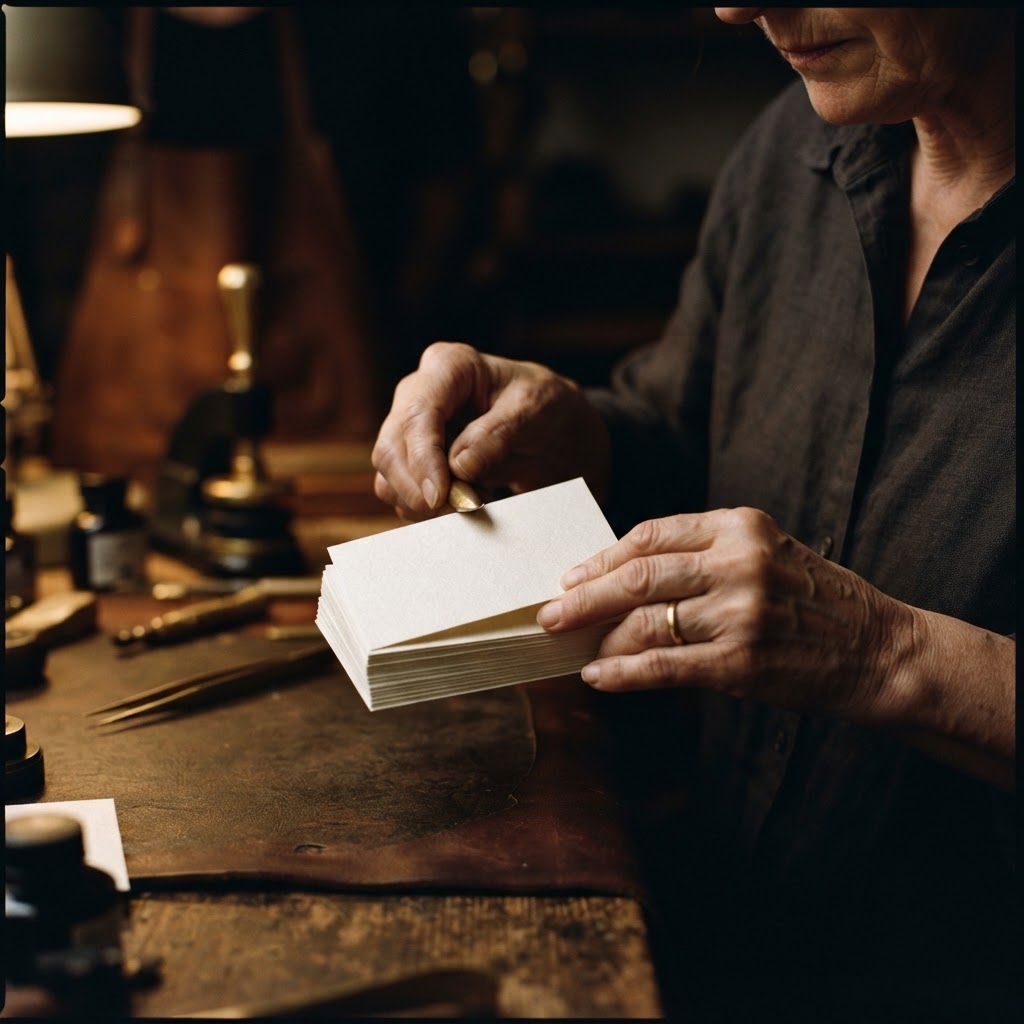
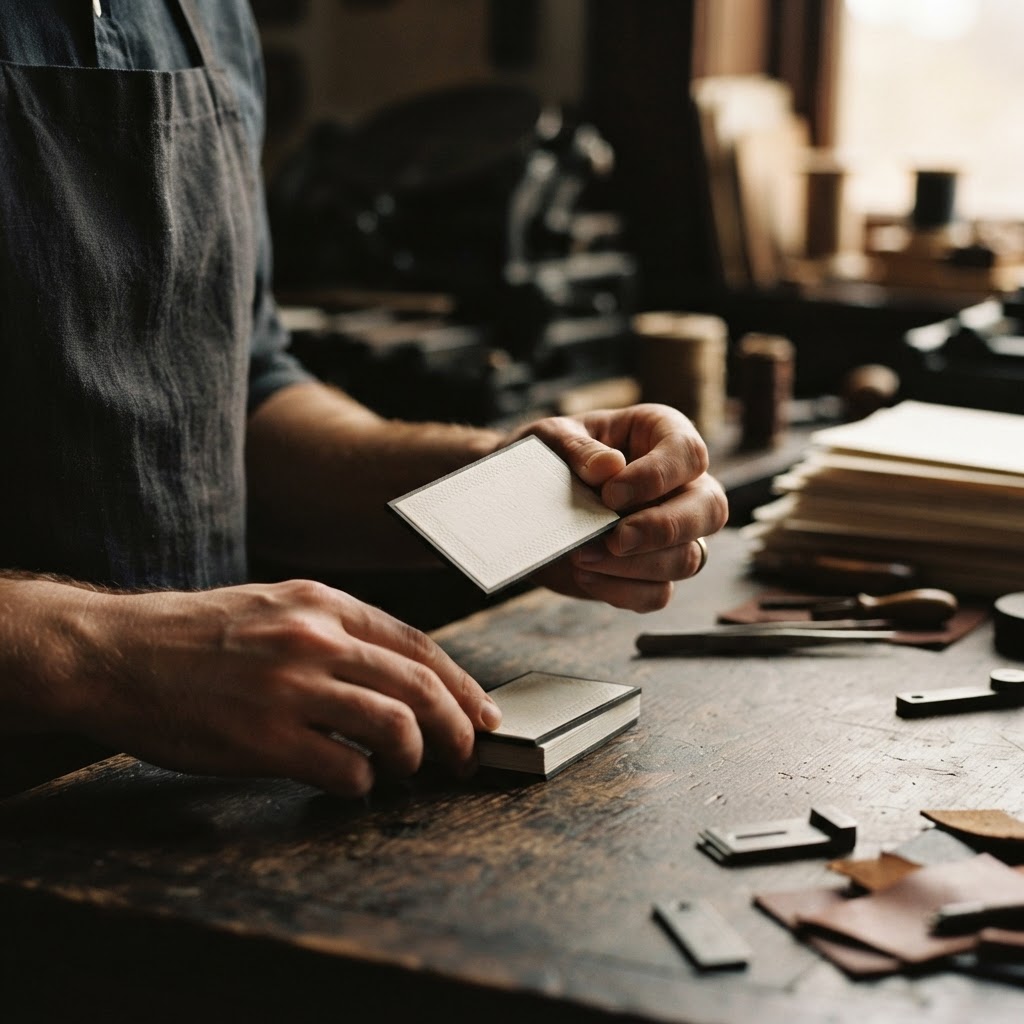
For Priya, this framing changed how she thought about her correspondence entirely. Every proposal she sent, every introductory letter to a prospective client, every follow-up to a site meeting now traveled in an object that had been made with the same intention as the work it represented. The paper had tooth to it, a fine grain that caught light at an angle and disappeared in direct view, the kind of surface that rewarded a second look. The finish on the flap matched the finish on her cards exactly. Ivory against ivory, weight against weight.
Sleek, Architectural, Universally Refined
The DL proportion is inherently architectural. Nine by four inches sits in the hand the way a well-designed door handle sits in the palm, neither too substantial nor too slight. It is a format that luxury consultants, boutique brand founders, and real estate principals have long favored precisely because it carries gravitas without volume. It does not announce itself. It simply presents itself, and lets the quality speak in the silence that follows.
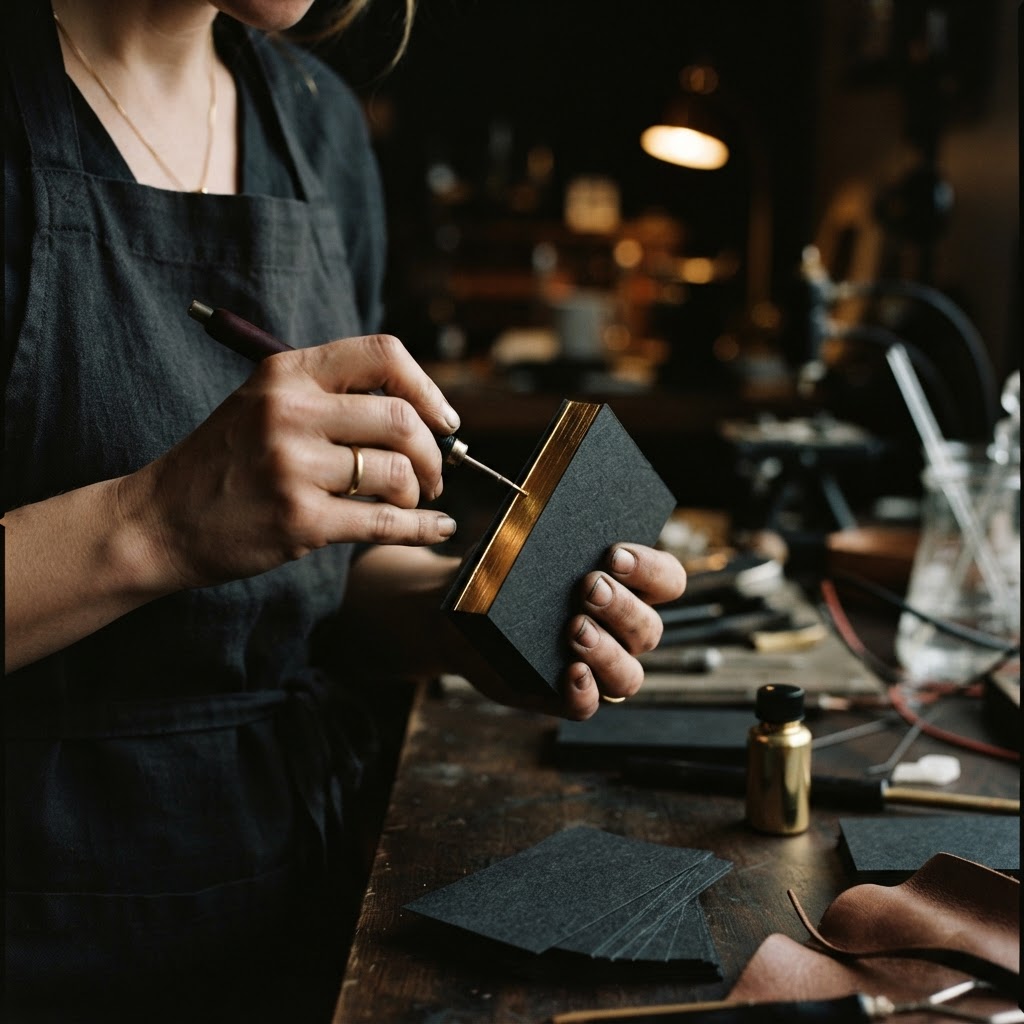
At Chhapai, where the studio has been working in Jaipur since 2006, the making of a Signature DL envelope involves the same material conversations as the card commissions. Which paper weight will hold the flap's score without cracking over time. Which finish will survive the journey from desk to drawer to memory. Whether the client's brand identity calls for a blind emboss on the reverse, a foil initial at the seal, or the profound restraint of nothing at all except perfect proportion and honest material.
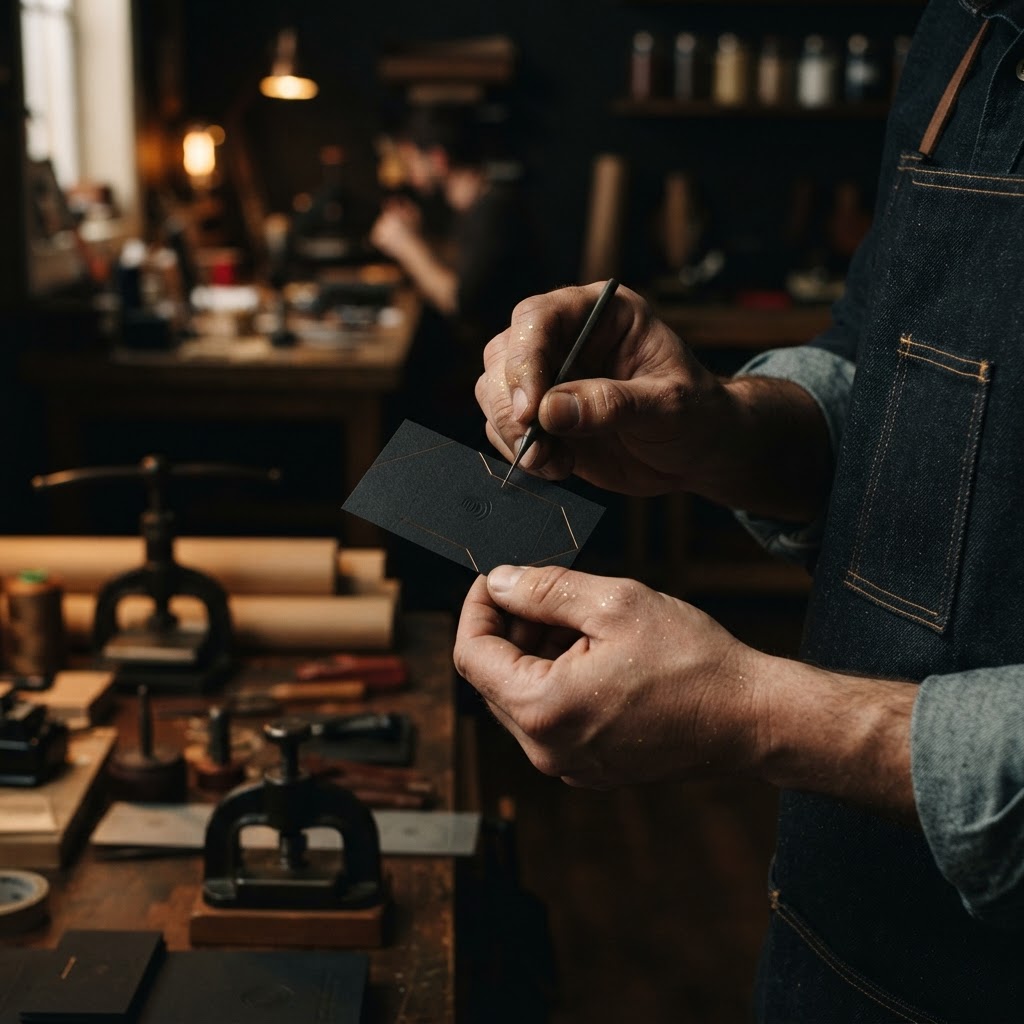
Priya chose a deep cotton stock with a letterpress-debossed return mark on the reverse. No color. The impression alone, the shadow of pressed type in fine paper, was sufficient. She sent her first batch of ten to prospects she had been circling for months. Three responded within forty-eight hours. One of them mentioned the envelope before he mentioned the proposal inside it.
What Changed
The developer in Ballard Estate became a client. He commissioned two projects over the following year and referred Priya to a colleague who was developing a heritage property in Pune. That referral came with a specific note. He told his colleague that Priya was the kind of architect who understood that the details mattered before the work began. He had formed this impression partly from their meetings. Partly from her drawings. And partly, he admitted, from that Tuesday morning when an envelope sat on his desk and asked to be considered before it was opened.
This is the mechanism that premium identity materials create, and it operates almost entirely below the threshold of conscious analysis. A client who receives something made with genuine craft does not usually think, this person has invested in quality stationery. They think, this person pays attention. And attention, in the professions where Chhapai's clients practice, is the rarest and most valuable thing on offer.
Priya noticed other shifts over the following months. She found herself more confident walking into first meetings. Not because the card or the envelope had changed who she was, but because the materials had closed the gap between who she was and how she arrived. She had always been rigorous. Now she looked rigorous from the first moment of contact. That alignment, between interior standard and exterior presentation, turns out to matter enormously to the psychology of practice.
The Referral Economy of Considered Objects
Three of Priya's cards were shown to other people by the people who received them. She knows this because those people told her. One was passed across a boardroom table during a meeting she was not in. Another was kept in a wallet alongside cards from two other architects and shown as a point of comparison. The third was photographed and sent to a friend who was looking for an architect for a residential commission in Bandra.
None of this would have happened with a card that looked like a file. A card that is kept, shown, and circulated is a card that has earned a second life beyond the first exchange. This is what craft does. It creates objects that people want to handle again, to share, to reference. The Signature DL envelope begins that process before the card is even drawn from within it.
A Quiet, Lasting Confidence
Priya still works from the same studio in Prabhadevi. The practice has grown, carefully and without rush, which is how she prefers it. She reorders her Chhapai stationery twice a year. Each time, she reviews the design with the same attention she brings to a new project, asking whether anything needs refinement, whether the materials still feel true to where the practice is now.
She said something recently that stayed with us. She said that before Chhapai, she had thought of her business card as the last thing she prepared for a meeting. Now she thinks of it as the first. The envelope that travels ahead of her, the card left behind on a desk, the weight of both in someone's hand before a single word of her proposal is read. These are not small considerations. They are, in fact, the beginning of the conversation.
For those who understand that presentation is part of the message, the Signature DL is not an upgrade. It is a correction. A return to the standard that the work itself has always demanded.
The envelope arrived on a Tuesday morning, before Priya did. And it said everything correctly.