Journal
Stories of craft, heritage, and the art of making lasting impressions.
When architect Priya Mehta handed a client her Chhapai NFC Black card, something shifted. This is the story of a card that carried her entire practice in its silence.
When architect Priya Mehra sent her first proposal in a Chhapai Signature DL envelope, the client called before she reached her car. This is that story.
When architect Aryan Mehra handed over his electroplated gold business card, something shifted in the room. This is the story of how craft changed his conversations.
When architect Priya Malhotra handed her card across a boardroom table in Mumbai, the paper did something unexpected. It began the conversation for her.
When architect Priya Mehta handed her letterpress card to a Mumbai developer, the silence that followed changed everything about how she pitched her work.
When architect Priya Mehra handed her card to a potential client in Mumbai, the texture of the paper said everything her words had not yet had the chance to.
When Meera Sethi handed over her first Chhapai Wrapping Sheet card, she didn't say a word. She didn't need to.
When Mumbai developer Aryan Mehta handed over his Chhapai foil-stamped card, the room changed. This is the story of a card that spoke before he did.
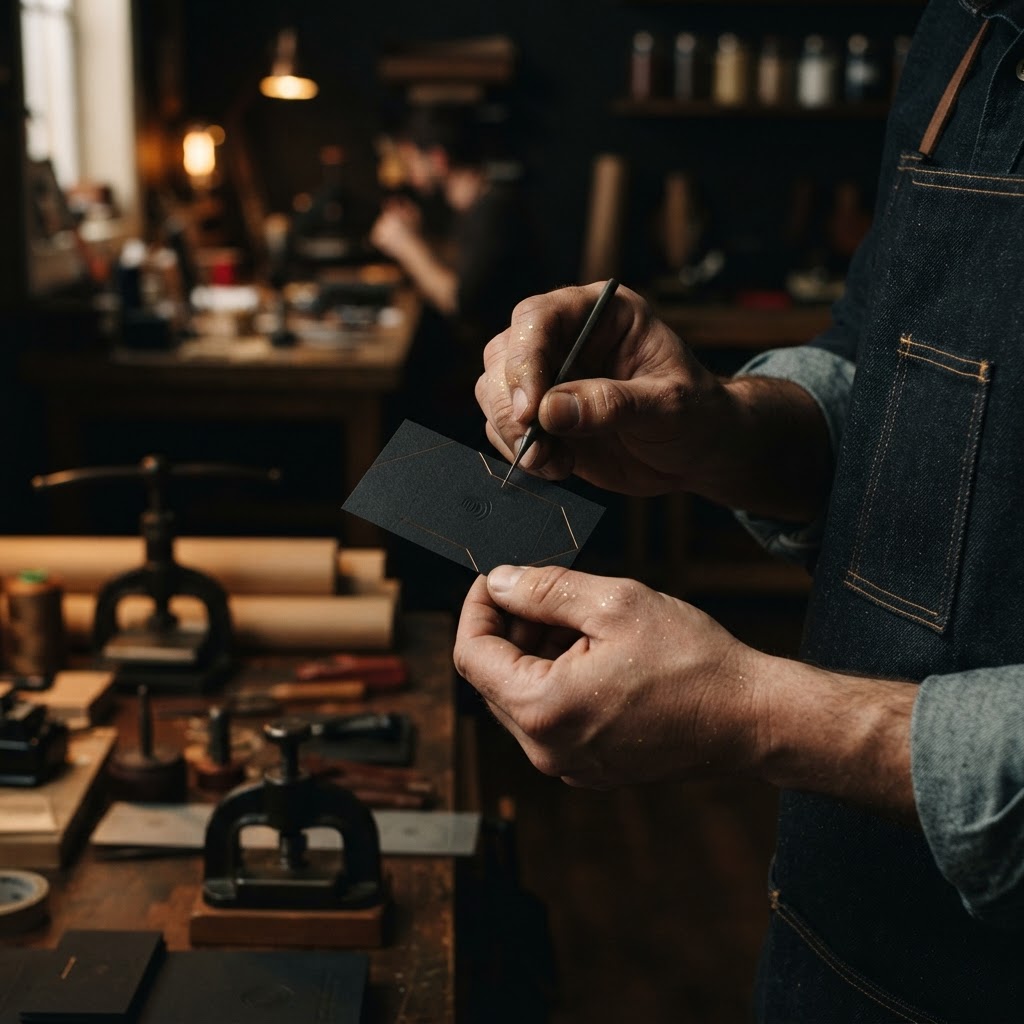
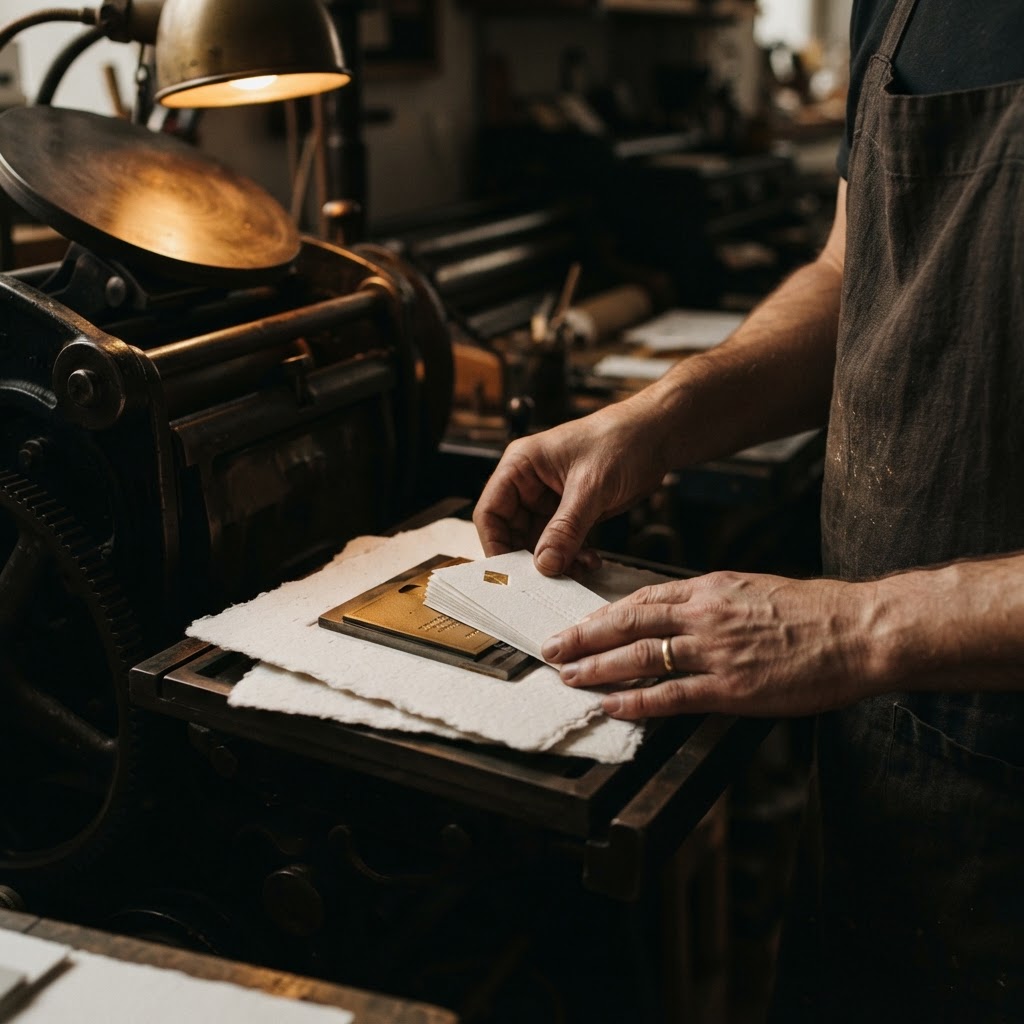
This blog explores the revival of traditional printing techniques like letterpress, foil stamping, embossing, and handmade paper. It highlights how these methods are redefining modern luxury through texture, craftsmanship, and intentional design, making print more meaningful in a digital-first world.
Quality in printing is achieved through a meticulous process that begins with file preparation and continues through paper selection, color control, machine supervision, finishing, and final inspection. At Chhapai, each stage is handled with precision and care to ensure that every print is consistent, refined, and impactful.
The journey from approval to delivery involves pre-press preparation, material selection, printing, finishing, and quality checks. Each stage plays a critical role in transforming a digital design into a tactile, premium experience that reflects your brand’s true value.
Visual imbalance can quietly weaken a design by making it feel uncomfortable, unrefined, or unintentionally skewed. Even when all elements are present, poor distribution of visual weight—through color, text, spacing, or layout—can disrupt how the viewer experiences the piece. True balance is not just about symmetry, but about managing attention. Elements must work together so the eye moves naturally across the design without getting stuck on one side. White space, alignment, and proportion play a crucial role in creating this harmony.
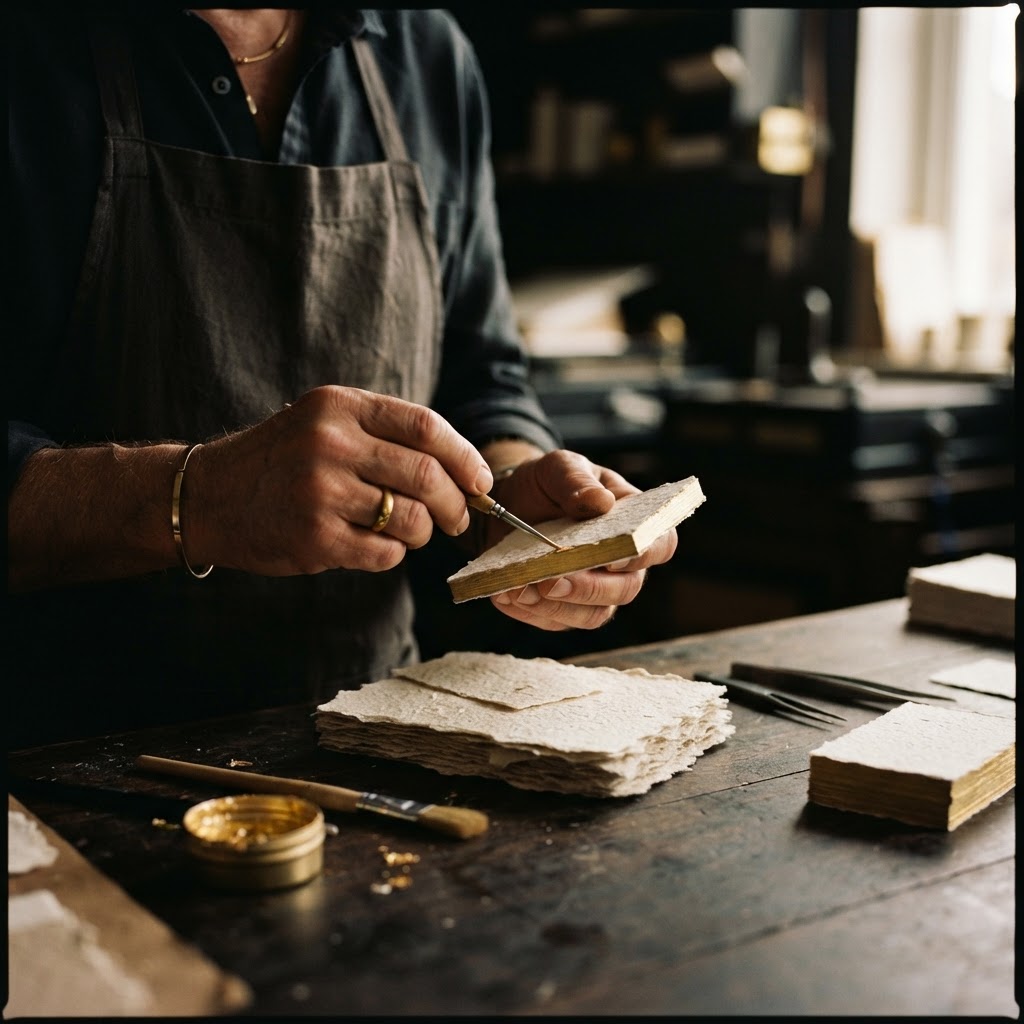
Handmade paper is making a strong comeback because it offers authenticity, sustainability, and a tactile luxury that machine-made paper cannot replicate. Its imperfections create uniqueness, making every print feel personal, premium, and memorable.
Texture enhances perceived value, builds emotional connection, and increases engagement by activating the sense of touch. It transforms print from a visual medium into a physical experience—making brands more memorable and impactful.
Subtle design succeeds because it prioritizes clarity, precision, and restraint over excess. By focusing on space, detail, and craftsmanship, it creates a refined, timeless, and emotionally engaging experience that feels more premium and memorable than loud or overdesigned visuals.
Foil, emboss, and UV each serve a distinct purpose in premium printing. Foil captures attention through shine, emboss creates a tactile, refined experience, and UV adds contrast and modern sophistication. The key to using them effectively lies in understanding design intent and applying each finish with restraint and purpose.
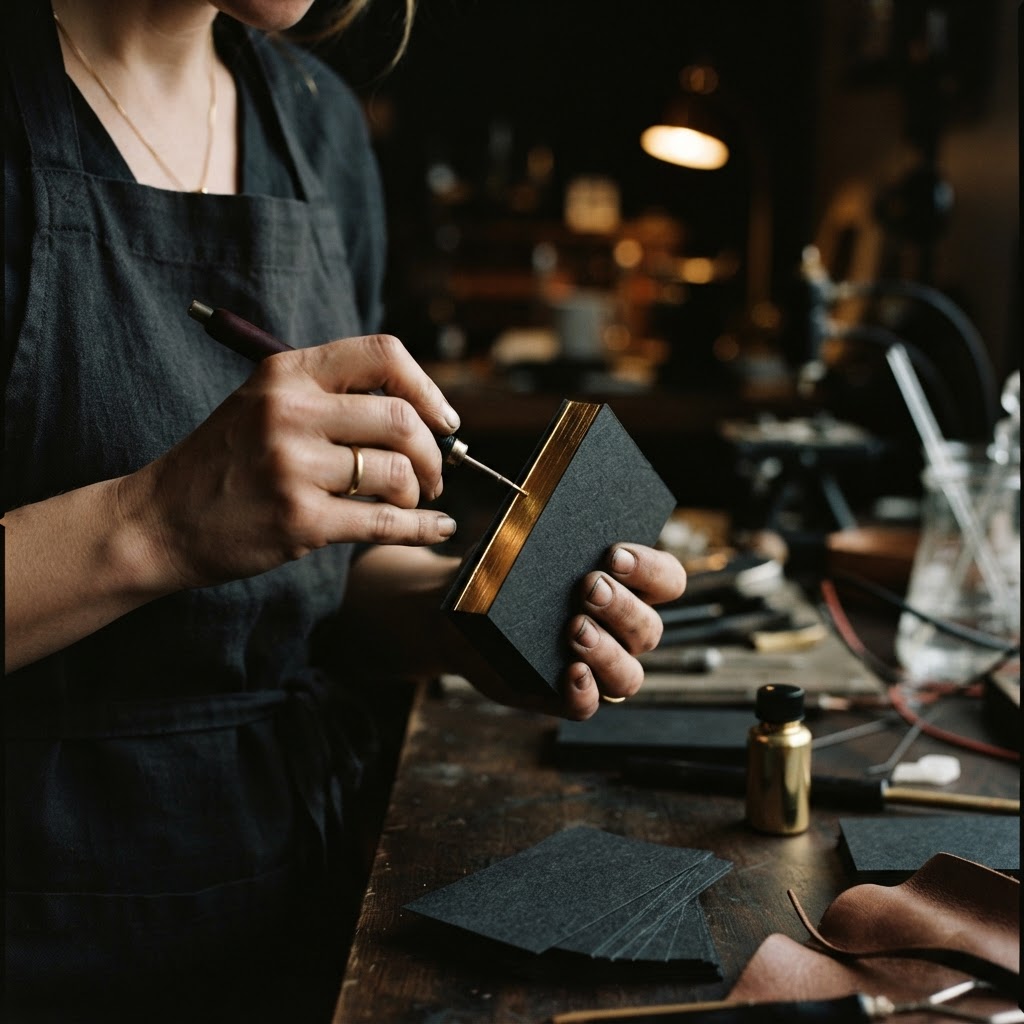
Metallic details do more than enhance appearance—they significantly elevate how a product or print is perceived. By interacting with light and adding a tactile dimension, finishes like foil stamping and electroplating create a sense of luxury, precision, and craftsmanship. These subtle elements tap into deep psychological associations with value, making designs feel more premium and memorable. Even minimal metallic accents can influence customer perception, build trust, and increase willingness to engage or purchase.
Premium finishes like electroplating, foil, embossing, and textured papers are not just aesthetic upgrades—they are strategic investments. They enhance perception, build trust, improve recall, and ultimately drive conversions, delivering a powerful return that extends far beyond their cost.
Newsletter
Stories of craft, heritage, and fine printing — delivered to your inbox.
No spam. Unsubscribe anytime.